
Lumenfall
An open-world AI RPG where terrain, characters, and story branches synthesize fresh every run.
No two runs share the same world
Lumenfall runs three generative systems at session start: a spatial grammar engine seeds a geological layout, a trait-pool synthesis system assembles each NPC as a coherent character with consistent motivation and dialect, and a narrative layer reads what the world made and generates quest hooks from it. The systems share state, so what terrain appeared affects what characters are plausible, which affects what stories can exist.
There is no pre-authored map underneath. The map you finished last night is gone the moment you start over. The characters you met are assembled differently. The stories branch from a different root. You are not replaying a world. You are visiting one that was generated for this session.

The generative engine, layer by layer
Three systems that share world-state. What terrain generates changes who can exist there. Who exists there changes what stories are possible.
Procedural Terrain
Each run seeds a new geological layout. Mountain ranges, river systems, and biome transitions emerge from a spatial grammar engine that enforces physical plausibility.
Character Synthesis
NPCs are assembled from trait libraries. Background, dialect, motivation, and relationships are generated as a consistent whole, not disconnected stat tables.
Narrative Branching
Story hooks attach to what the world actually made, not pre-authored locations. Player choices write to world state and the narrative engine reads that state to generate consequences.
Session Persistence
World state persists within a run. The village you rebuilt, the alliances you formed, the enemies you made: the world remembers across sessions until you choose to begin again.
From the development build
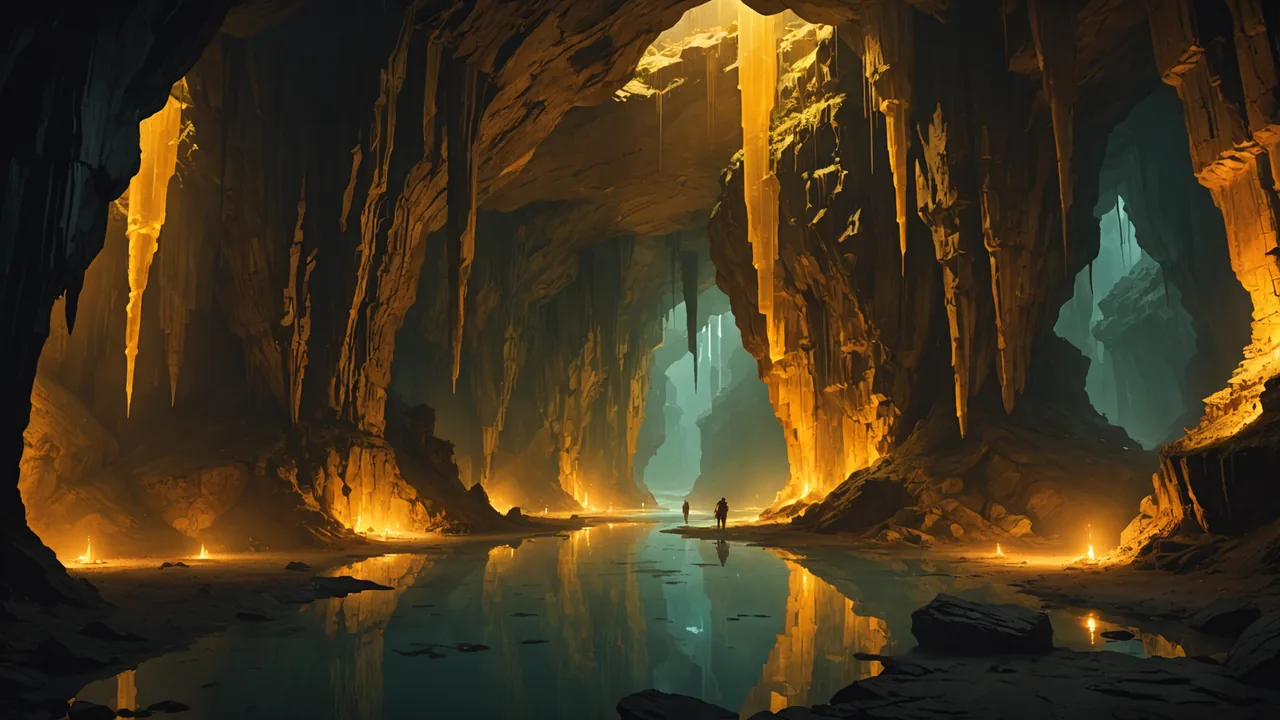
Concept environments from active development. Visual fidelity and terrain detail evolve with each alpha build. What you see here is from our current state, not a target render.

Latest Dev Blog
All posts
Alpha 04: Terrain Synthesis Gets Smarter
Our reworked spatial grammar engine. Terrain zones now negotiate their own borders at runtime.
Read post
50 Players, 200 Hours: What Our Closed Alpha Taught Us
Session data, player feedback patterns, and the three things we changed before the next milestone.
Read post
When the Generator Surprises You: Terrain Edge Cases
Procedural systems generate things you did not design. Some are bugs. Some become features.
Read postBe among the first to play
Wishlist on Steam to join the queue for future beta phases. Or reach out if you have questions about the development.